
New Zealand's Golden Era of Outdoor Festivals
New Zealand's music festival history stretches back further than most people realise. From the early outdoor gatherings at Redwood 70 in 1970 to the Great Ngaruawahia Music Festival in 1973, these events marked the start of an era that shaped the country's rock culture. But it was Nambassa, held in 1979, that stands as the largest and most iconic of them all, held in the Golden Valley just north of Waihi.
A Nation's Love of Live Music
Alongside the rock scene, jazz, folk, ethnic, and country music have long had their own dedicated festivals and awards in New Zealand. Sweetwaters, Nambassa, and The Big Day Out have all played a part in the country's live music culture since the 1970s, bringing people together across genres and generations.
Parachute Music Festival
Among these events was Parachute Music Festival, once one of New Zealand's largest annual music festivals and the longest-running multi-day festival in the Southern Hemisphere. On 29 March 2014, organisers announced the festival would come to an end after 24 years, citing rising costs and an increasingly saturated events market. Its run left a lasting mark on New Zealand's music festival history.
Nambassa 1979
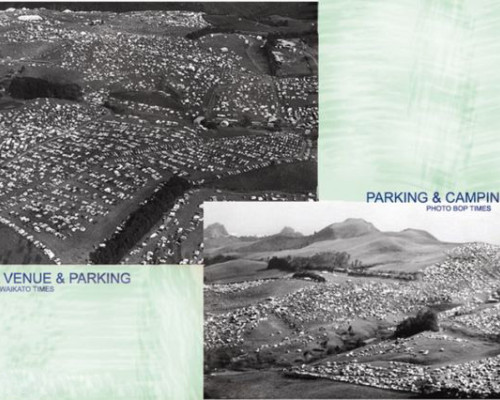
Nambassa 1979 remains the high-water mark of New Zealand's outdoor rock festivals. Estimates put the crowd at somewhere between 60,000 and 65,000 people, making it one of the largest gatherings of its kind the country had ever seen. Held over three days on a farm in Golden Valley, it combined music with crafts, alternative lifestyles, and a strong counter-culture spirit, and it remains one of the most talked-about events in New Zealand's rock history.
Moments That Made the Ngaruawahia Festival Legendary
The Great Ngaruawahia Music Festival produced some of the most memorable moments in New Zealand music history. Kiwi performer Corben Simpson famously stripped off on stage, a moment that made headlines nationwide. Meanwhile Black Sabbath, headlining the festival at midnight, had a huge burning cross lit on the hillside behind the stage as they took to it, at Ozzy Osbourne's own request, with the crowd lighting matches and lighters in response. It's one of the most enduring stories from New Zealand's early festival scene.
A Legacy Worth Celebrating
As New Zealand's festival scene has continued to evolve, each of these events holds its own place in the country's music history. They stand as a reminder of the role live music has played in bringing people together, from the counter-culture gatherings of the 1970s through to today.