
Finding Joy Division in New Zealand
Growing up in New Zealand in the 80s, British music took a while to reach us. You'd hear about bands through mates, or catch something late night on Radio Hauraki, or find a scratched import record at a second-hand shop in town. That's how a lot of us first found Joy Division: word of mouth, passed around like something slightly contraband. And once you heard it, that was it. I remember someone playing Unknown Pleasures in my mates' flat in Wellington and the whole room just went quiet. Nobody said anything for a bit.
Manchester, 1976
Joy Division started out in Manchester in 1976, calling themselves Warsaw before changing the name. Ian Curtis on vocals, Bernard Sumner on guitar and keyboards, Peter Hook on bass, and Stephen Morris on drums. Manchester at that time was a pretty bleak place: post-industrial, lots of unemployment, grey skies pretty much constantly. You can hear every bit of that in the music. It's not just mood, it's the actual fabric of what they made.
Unknown Pleasures and the Sound They Built
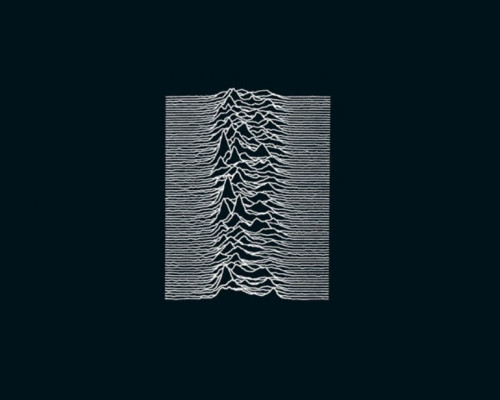
Unknown Pleasures came out in 1979. Curtis had this low, detached baritone that felt like he was singing from somewhere far away, and the band played with this tight, cold minimalism underneath. Not loud, not showy, just heavy in a way that got right inside you. "Love Will Tear Us Apart" followed and that song has never stopped. You still hear it in cafes in Auckland and bars in Melbourne, and it still lands the same way it always did.
Ian Curtis
Curtis had epilepsy and was dealing with serious depression through those years, and he put a lot of that directly into the lyrics. Alienation, despair, things falling apart, written with this raw honesty that connected with people who knew those feelings. In May 1980, just before the band were heading off on their first American tour, he took his own life. He was 23. Even knowing the story, it still hits hard.
After Joy Division
The other three went on to form New Order: more electronic, more dancefloor, huge commercial success. Kiwi and Australian fans absolutely loved New Order through the 80s and 90s, packing out shows across both countries. But Joy Division stayed separate from all of that. Locked in that particular Manchester moment, which if anything made them feel even more significant as the years went on.
A Sound Still Echoing
The influence spread everywhere. Post-punk, gothic rock, indie: bands from Auckland to Melbourne to London all owe something to what Joy Division worked out in those few short years. You can still hear it in New Zealand bands today if you know what you're listening for. That cold, atmospheric thing. The space in the music. The refusal to be cheerful just for the sake of it.
The Unknown Pleasures cover, that pulsar wave image, is one of those designs that's completely crossed over into general culture. You see it on people who've never heard the album, which is a strange thing, but also kind of a testament to how strong it is. Wear one here in NZ and someone will always clock it. They'll probably start talking to you about the first time they heard the record. That's the thing about Joy Division: people have a story. Everyone does.